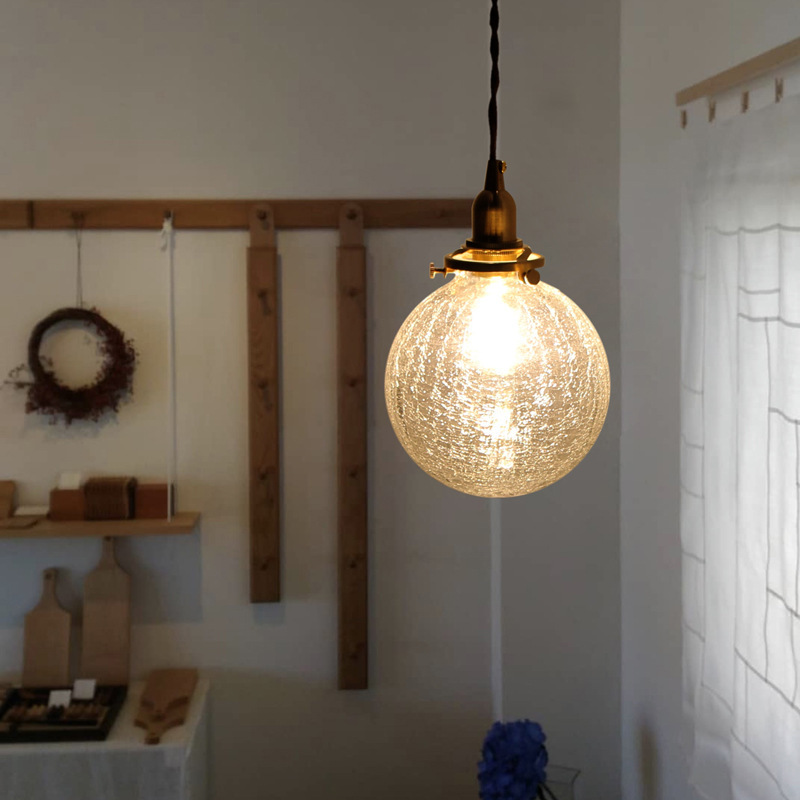

Thinking about upgrading your home’s lighting? Dimmable LED bulbs are a fantastic way to do it. They save you money on energy bills, last a whole lot longer than traditional bulbs, and give you so much more control over your home’s atmosphere. Basically, they’re a win-win for your wallet and your vibe.
Why Dimmable LEDs are a Smart Move
Forget harsh, all-or-nothing lighting Aralle. Dimmable LEDs let you fine-tune the brightness of any room, creating exactly the mood you’re after. Whether you’re hosting a dinner party, settling in for a movie night, or need focused light for a task, dimmable LEDs have you covered. They transform a space from merely lit to truly designed.
The Energy and Cost Savings You Can Actually See
One of the biggest draws of LED technology is its efficiency, and dimmable LEDs take that a step further. By reducing the light output, you’re also reducing energy consumption. This isn’t just a small percentage; LEDs are significantly more efficient than incandescent or halogen bulbs, and dimming them further amplifies those savings over time. Think about your electricity bill – those few extra hours of dimmed evening light can add up pleasantly over a year.
Understanding LED Efficiency
LEDs convert electricity directly into light with very little wasted energy as heat. This is a stark contrast to older technologies that generated a lot of heat, often meaning energy was lost before it even became light. Dimmable LEDs allow you to further control this already efficient process.
Long-Term Value: Batteries Not Included (But Bulbs Last a Lifetime)
LEDs have an incredibly long lifespan. We’re talking tens of thousands of hours. This means you’ll be replacing bulbs far less often, saving you money on purchasing new ones and the hassle of climbing ladders to do it. Imagine a light bulb that just keeps going and going.
Creating the Perfect Ambiance for Every Occasion
This is where dimmable LEDs really shine. They give you the power to control the mood of your home in a way that was previously difficult or expensive to achieve.
Setting the Scene for Relaxation
After a long day, who wants to be blasted with bright light? Dimming your living room lights to a soft glow is perfect for unwinding, reading a book, or just enjoying some quiet time. It creates a cozy, inviting atmosphere that melts away stress.
Hosting Made Easy: From Dinner Parties to Casual Gatherings
For a dinner party, you might want brighter, focused light over the table but softer, ambient light elsewhere. Dimmable LEDs allow you to achieve this balance effortlessly. Guests will appreciate the comfortable and well-lit environment.
Task Lighting That Doesn’t Blind You
Need to chop vegetables in the kitchen or work on a craft project? You can increase the brightness of your task lighting without making the entire room feel like an operating theater. This targeted illumination is both functional and comfortable.
Beyond the Glow: Smart Features and Compatibility
Modern dimmable LED systems often come with smart capabilities that add another layer of convenience and control.
The Rise of Smart Lighting
Many dimmable LEDs are now “smart” bulbs. This means they can be controlled via a smartphone app, voice commands (think Alexa or Google Assistant), or even through smart home hubs. You can set schedules, create custom lighting scenes, and control them from anywhere.
Ensuring Compatibility: Not All Dimmers Are Created Equal
This is a crucial point. Not all LED bulbs are dimmable, and not all dimmer switches are compatible with LED bulbs. If you install a non-dimmable LED in a dimmer circuit, it might flicker, buzz, or not dim properly. Conversely, an older dimmer switch might not work well with newer LED technology, even if the bulb is designed for dimming.
What to Look for in Dimmable LED Bulbs
When shopping, always check the packaging. It will clearly state if the bulb is dimmable. Look for terms like “dimmable LED,” “compatible with LED dimmers,” or specific brand names of dimmers mentioned.
Choosing the Right Dimmer Switch
If you’re replacing a dimmer switch, look for models specifically marketed as “LED compatible.” These are designed to work with the lower wattage and different electrical characteristics of LED bulbs. Many reputable brands offer these, so do a quick search for “LED dimmer switch” and compare options.
Integrating with Your Existing Smart Home Setup
If you’re already invested in a smart home ecosystem, integrating new dimmable LEDs can be straightforward. Many smart bulbs connect directly to Wi-Fi or Bluetooth, while others might require a hub. Check the product descriptions for compatibility with systems like Apple HomeKit, Google Home, or Amazon Alexa.
The Technical Bits: Making Sure It All Works
Getting dimmable LEDs to perform at their best often comes down to understanding a few key technical aspects. It’s not overly complicated, but knowing these things can save you a lot of frustration.
Understanding Wattage and Lumens (and Why They Matter for Dimmers)
Traditional bulbs were often judged by wattage. LEDs are judged by lumens (brightness) and their much lower wattage (energy use). When dimming, you’re reducing the lumen output. For dimmer compatibility, it’s important that the total wattage of your LED bulbs on a circuit doesn’t fall below the minimum load requirement of older dimmer switches (though many LED-compatible dimmers have a much lower minimum).
Flicker: The Silent Saboteur of Ambiance
A common complaint with early attempts at dimmable LEDs was an annoying flicker, especially at lower dimming levels. This can be caused by incompatible dimmers, insufficient load on the circuit, or simply a poorly designed LED bulb. Stick to reputable brands and ensure proper dimmer compatibility to avoid this.
Color Temperature: Warm White vs. Cool White
Dimmable LEDs come in various color temperatures, usually measured in Kelvin (K).
- Warm White (around 2700K-3000K): This is similar to the warm, inviting glow of incandescent bulbs. It’s excellent for living rooms, bedrooms, and dining areas where you want a cozy, relaxing atmosphere.
- Cool White/Daylight (around 4000K-6500K): This offers a brighter, more neutral or bluish light, similar to natural daylight. It’s good for task lighting, kitchens, bathrooms, and workspaces where clarity and focus are important.
When dimming, the color temperature of an LED bulb generally stays the same, unlike incandescent bulbs where dimming often made them appear warmer. This consistency is a benefit, but it’s worth considering the initial color temperature you choose for each room.
The Smoothness of the Dim: A Matter of Design
The “smoothness” of the dimming curve refers to how gradually the light dims and brightens, and how consistent the light is across the entire dimming range. Higher-quality dimmable LEDs and compatible dimmers will offer a much smoother and more responsive dimming experience, without abrupt jumps or pauses.
Practical Tips for a Seamless Transition
Upgrading your lighting doesn’t have to be daunting. Here are some straightforward steps to ensure a successful transition to dimmable LEDs.
Start Small: A Single Room or Fixture
If you’re hesitant, try upgrading one room or even just a single fixture first. See how you like the performance and consider the cost-effectiveness. A bedroom or living room is often a good starting point for experiencing the ambiance benefits.
Read Reviews and Do Your Research
Before buying, take a few minutes to read reviews of specific LED bulbs and dimmer switches. Look for comments about dimming performance, flicker issues, or compatibility problems.
Consult an Electrician if You’re Unsure
If you’re dealing with complex wiring, older dimmer switches, or are simply not comfortable with electrical work, it’s always best to call a qualified electrician. They can ensure everything is installed safely and correctly, and can advise you on the best products for your home.
Consider Your Fixture Types
Some fixtures might have limitations. For example, enclosed fixtures can sometimes cause LEDs to overheat, shortening their lifespan. Make sure the LED bulbs you choose are suitable for the type of fixture you’re using. Always check the bulb’s specifications for operating temperature ranges.
Planning for Different Zones
Think about how you’ll use each room. Do you need dimmable lights in every area? Perhaps focused task lighting in the kitchen and ambient dimmable lighting in the living room is a more practical approach. Zoning your lighting needs can help you make more informed purchasing decisions.
By embracing dimmable LED lighting, you’re not just upgrading your bulbs; you’re investing in a more comfortable, energy-efficient, and versatile home environment. It’s a practical upgrade that pays off in both your daily life and your long-term budget.