Finding the right ceiling light for a small space can feel like a bit of a puzzle. The main goal is to create a cozy, well-lit environment without overwhelming the room or making it feel even smaller. Generally, the best options are flush mounts, semi-flush mounts, smaller pendant lights, or track lighting, all chosen with careful consideration of their size, light output, and aesthetic.
You might think any light will do, but small spaces have unique demands when it comes to illumination. It’s not just about seeing; it’s about how the light interacts with the room’s limited dimensions.
Avoiding Visual Clutter
A large, ornate chandelier in a tiny hall can feel like a comedic prop. It draws too much attention and makes the ceiling feel lower. The visual weight of a light fixture is just as important as its actual weight. We want things to feel open, not cramped.
Maximizing Headroom
Every inch counts in a small room. Bulky fixtures can get in the way, especially for taller individuals, or just visually eat up valuable vertical space. Low-profile options are often your best bet to keep the ceiling feeling high and airy.
Influencing Perceived Size
Strategic lighting can trick the eye into thinking a space is larger than it is. Up-lighting, for instance, can make a ceiling seem taller. Diffused light can make a room feel softer and more expansive. Harsh, direct light, on the other hand, can emphasize boundaries and make a room feel smaller.
Top Contenders for Cozy Ceiling Lights
Let’s get into the specifics of which types of fixtures generally work best and why.
Flush Mounts: The Discreet Workhorse
Flush mount lights sit directly against the ceiling. They’re a classic for a reason, especially in tight spots.
Benefits of Flush Mounts
- Low Profile: This is their main advantage. They take up minimal vertical space, making them ideal for rooms with low ceilings or in areas where you need to walk directly underneath them, like hallways or entryways.
- Even Illumination: Many modern flush mounts offer good diffusion, spreading light evenly across the room without harsh shadows. This is key for a cozy feel.
- Unobtrusive Design: They don’t draw a lot of attention to themselves, allowing other elements of your room to shine.
What to Look For in a Flush Mount
- Diffuser Material: Look for frosted glass or acrylic diffusers. These soften the light, reducing glare and creating a gentler, cozier ambiance. Clear glass can be too stark.
- Size Relative to Room: While they are inherently low-profile, you still don’t want one that’s too wide for the room. Measure your space and compare it to fixture dimensions. A good rule of thumb for a single fixture is to add the room’s length and width in feet, then use that number in inches as a rough diameter. For example, a 7ft x 9ft room (16ft total) could comfortably handle a 16-inch diameter fixture.
- LED Integration: Many modern flush mounts come with integrated LED modules. This means better energy efficiency, longer life, and often, dimmability. Look for “warm white” (around 2700K-3000K) for that cozy feel.
Semi-Flush Mounts: A Bit More Style, Still Space-Conscious
Semi-flush mounts hang down just a few inches from the ceiling, offering a bit more decorative flair than a flush mount without being as imposing as a full pendant.
Advantages of Semi-Flush Mounts
- Enhanced Design Options: Because they have a small gap between the fixture and the ceiling, designers have more room for decorative elements, shades, and unique shapes. You can find more visually interesting options here than with flush mounts.
- Up-lighting Component: The gap between the ceiling and the fixture allows some light to escape upwards, which can bounce off the ceiling. This indirect light helps make the ceiling appear higher and adds to overall ambient illumination, contributing to a softer, cozier atmosphere.
- Better Light Dispersion: The slight distance from the ceiling can sometimes allow for better overall light dispersion compared to a very tightly flush-mounted fixture.
Considerations for Semi-Flush Mounts
- Drop Height: This is crucial. Measure carefully to ensure the fixture won’t hang too low for head clearance. Six to eight inches is generally a safe maximum for average ceiling heights (8-9 feet) in high-traffic areas.
- Shade Material: Fabric shades can scatter light beautifully, providing a warm glow. Opaque shades direct light downwards, which can be useful over a specific area, but they might make the room feel less bright overall.
- Bulb Visibility: Some semi-flush designs expose the bulbs. If so, choose attractive, warm-toned bulbs (like Edison bulbs if the style permits) that complement the fixture and the room’s aesthetic.
Smaller Pendant Lights: Task and Accent Lighting
Pendants can work in small spaces, but you need to be very intentional about where and how you use them. They’re usually best as task lighting or accent pieces rather than general ambient light in a tiny room.
Strategic Placement of Small Pendants
- Over a Dining Nook: A small, single pendant or a pair of slim pendants can define a dining area without consuming too much space. Ensure they’re hung high enough not to obstruct views or head space when seated.
- Above a Kitchen Island (Small Scale): If you have a very small island or peninsula, one or two diminutive pendants can offer focused task lighting.
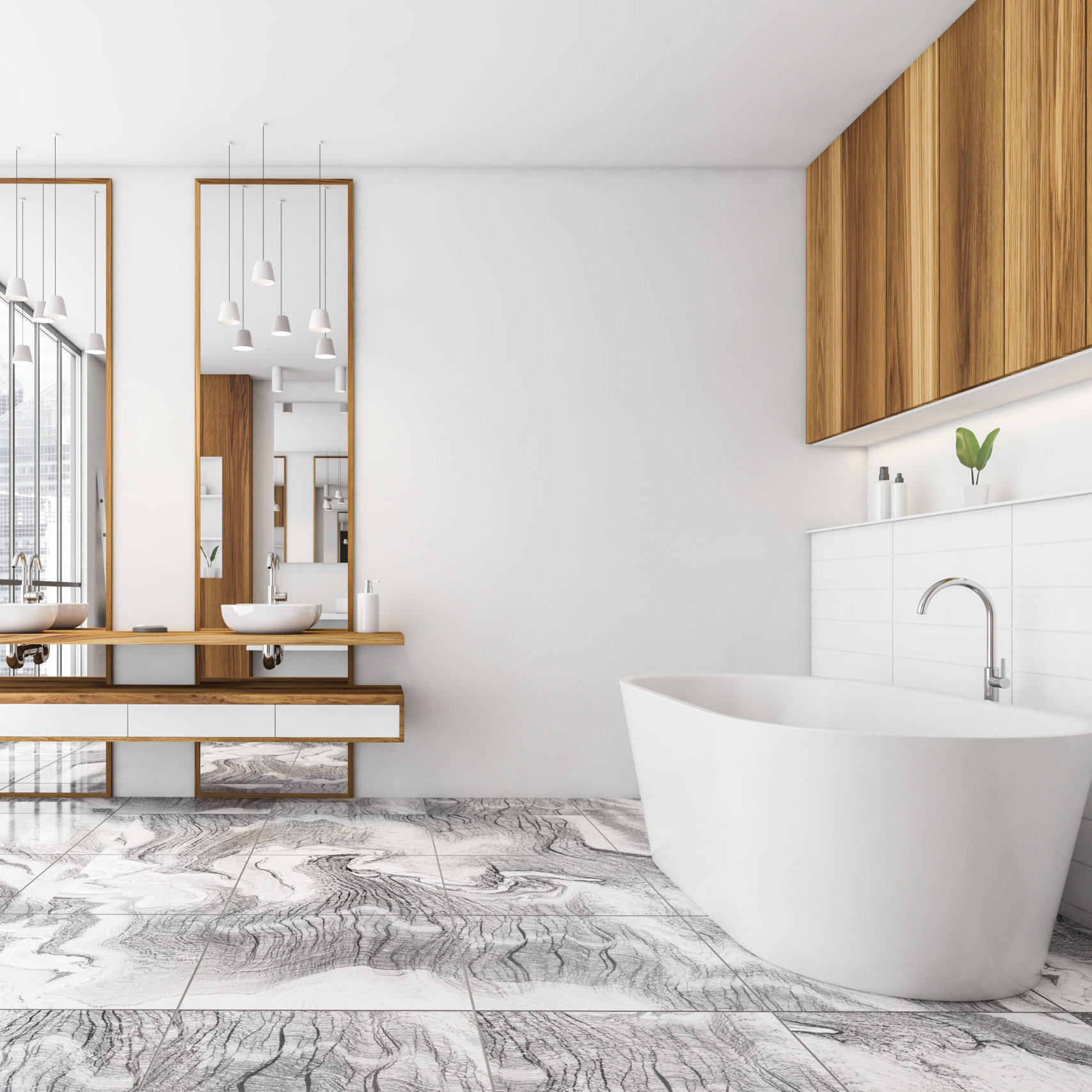
- Bedside Lighting: Instead of table lamps that eat up nightstand space, two small pendants flanking a bed can offer task lighting for reading and add decorative interest. This keeps surfaces clear.
- Room Corners/Alcoves: A strategically placed small pendant in a less-trafficked corner can draw the eye upwards and add an unexpected design element.
Choosing the Right Small Pendant
- Scale is Everything: This warrants repeating. A 10-inch diameter pendant might be fine; a 20-inch one is probably not. The visual weight matters immensely.
- Slim Forms: Look for pendants with slender profiles, perhaps cylindrical or simple geometric shapes. Avoid anything too bulbous or ornate.
- Clearance: Always consider head clearance. Pendants are generally hung higher over tables or in areas where people aren’t constantly walking directly underneath them.
- Light Direction: Pendants typically direct light downwards. If you need more general ambient light, ensure the shade allows some light to diffuse outwards.
Track Lighting: Flexible and Focused
Modern track lighting isn’t the clunky 1980s kind. Sleek, minimalist track systems can be surprisingly effective in small spaces, offering versatile lighting options.
Advantages of Track Lighting
- Directional Control: Each head on a track can be pointed in a different direction. This is highly beneficial in small spaces where you might want to highlight specific areas – a piece of art, a bookshelf, or direct light towards a work surface.
- Customization: You can add or remove heads, change their position, and select different types of lights (spots, floods) to suit your needs.
- Minimal Visual Intrusion: Modern tracks are often very slim and can blend into the ceiling, especially if they match the ceiling color.
- Layered Lighting: Track lighting excels at providing accent and task lighting, which are crucial layers for creating a cozy, functional small space. You’ll likely need an additional ambient light source.
Tips for Using Track Lighting Smartly
- Slim Tracks: Opt for the thinnest, most unobtrusive track systems available. Monorail or mini-track systems are often ideal.
- Small Heads: Choose discrete, small lamp heads that don’t overpower the space.
- Warm LED Bulbs: Use LED bulbs with a warm color temperature (2700K-3000K) to keep the light inviting, even if it’s directional.
- Dimmer Switch: As with almost all lighting in a small space, a dimmer switch is your best friend with track lighting. It allows you to adjust the intensity as needed.
Important Considerations for All Small Space Lighting
Beyond the fixture type, there are universal principles that apply to making any small space feel cozy and well-lit.
Light Temperature (Color Temperature)
This is perhaps the most critical factor for coziness.
The Magic of Warm White Light
- Color Temperature Scale: Light is measured in Kelvin (K). Lower Kelvin numbers mean warmer, yellower light, while higher numbers mean cooler, bluer light.
- Cozy Zone: Aim for bulbs in the 2700K to 3000K range. This is often labeled “warm white” or “soft white.” It mimics the glow of incandescent bulbs and creates an inviting, relaxing atmosphere.
- Avoid Higher K: Anything above 3500K (cool white, daylight) can feel sterile, harsh, and less inviting, especially in a small home setting. It’s often better for task-focused areas like commercial offices or some kitchens, but generally not for a cozy living or bedroom space.
Dimmers: Your New Best Friend
A dimmer switch is non-negotiable for achieving a cozy feel in almost any room, big or small.
Why Dimmers are Essential
- Mood Control: Easily adjust the light intensity from bright task lighting to a soft, ambient glow for relaxation or entertaining.
- Energy Savings: Dimming lights uses less energy, prolonging bulb life.
- Versatility: One fixture can serve multiple purposes throughout the day and evening simply by adjusting its brightness. This is particularly valuable in multi-functional small spaces.
Layered Lighting: Beyond Just Overhead
Even in a small space, relying solely on one overhead fixture is often a missed opportunity. Layering lights adds depth, interest, and allows for greater flexibility.
What Layered Lighting Means for Small Rooms
- Ambient Lighting: This is your general overhead light – flush mount, semi-flush, or general track heads. It provides basic illumination.
- Task Lighting: Focused light for specific activities, like reading (a small pendant, a directed track head), cooking, or working.
- Accent Lighting: Draws attention to specific features, like a piece of art, a plant, or architectural details (a small spot from a track light, a puck light).
- Decorative Lighting: Lamps chosen purely for their aesthetic appeal (e.g., a small table lamp or floor lamp if space permits).
Combining these layers, even with mini versions of each, prevents a room from feeling flat and одно-dimensional. It creates visual interest and allows you to tailor the lighting to different moods and activities.
Size and Scale: Don’t Overwhelm
It’s tempting to want a statement piece, but in a small room, overdoing it with size is almost always a mistake.
Visual Weight vs. Physical Size
- Physical Size: Simply the dimensions of the fixture. Make sure it fits physically without hitting doors or heads.
- Visual Weight: How “heavy” or noticeable the fixture appears. A fixture with a lot of dark metal or many ornate arms has high visual weight, even if its actual diameter isn’t huge. Opt for lighter, airier designs, or those with clear or frosted glass.
When in doubt, err on the side of slightly smaller rather than larger. A fixture that’s too small might not provide enough light, but one that’s too big will always make the room feel cramped and the ceiling lower.
Reflective Surfaces: A Little Help From Above
While not directly about the light fixture, reflective surfaces play a huge role in how light behaves in a small room.
Bouncing Light Around
- Light-Colored Ceilings and Walls: These surfaces reflect light, helping to spread it further and make the room appear brighter and more open. A dark ceiling, conversely, can make a small room feel very intimate, but also perhaps smaller and darker.
- Mirrors: Strategically placed mirrors can work wonders. They don’t just reflect light; they also create the illusion of depth, potentially doubling the perceived size of a room.
- Glossy Finishes: Occasionally, a subtle glossy finish on furniture or even trim can help bounce light. However, don’t overdo it, as too much shine can be overwhelming.
Installation Tips for Small Spaces
A few practical points to consider during installation.
Central Placement vs. Strategic Zones
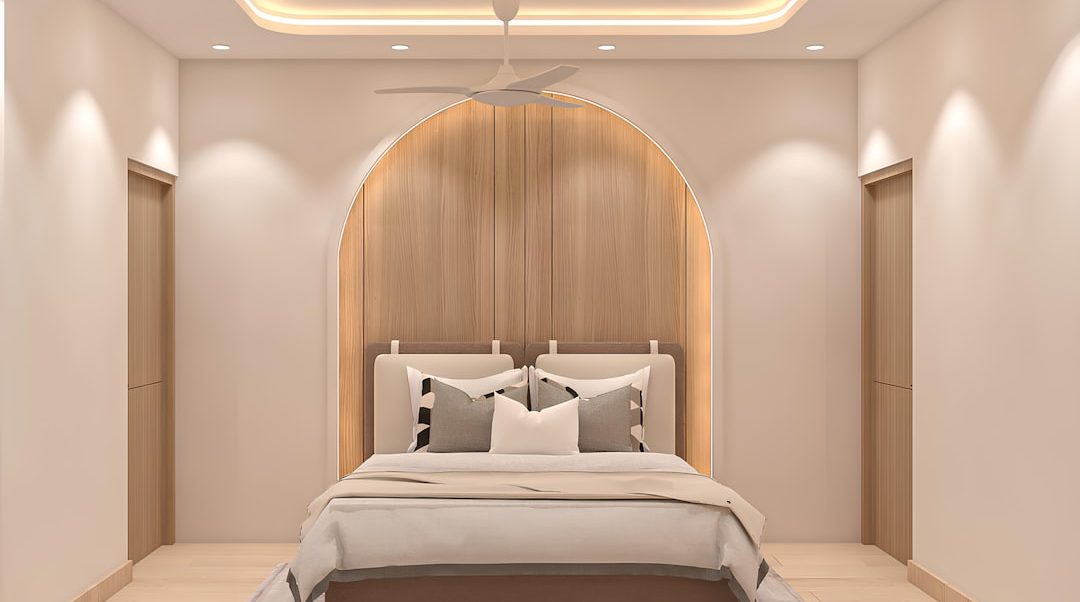
While a central fixture is common, in a very small, multi-functional room, consider if off-center placement or multiple smaller fixtures might serve your needs better. For instance, two small flush mounts in a rectangular room might offer more even lighting than one central one.
Ceiling Height Matters
Always double-check your ceiling height. Standard is often 8 feet, but many older homes or basements can be lower. This directly impacts how much “drop” any fixture can safely have.
Professional Help
If you’re dealing with older wiring, need new wiring run, or aren’t comfortable with electrical work, hire a qualified electrician. It’s safer and often more efficient in the long run.
By carefully considering these fixture types and principles, you can definitely create a cozy, well-lit small space that feels inviting and comfortable, not cramped or dull. The key is intentionality and understanding how different lighting choices impact the overall feel of a room.