A common question when designing a cozy bedroom is whether minimalist pendant lights can truly contribute to that warm, inviting atmosphere. The short answer is yes, absolutely. While “minimalist” might conjure images of stark, cold spaces, when applied to lighting, it often refers to a design approach prioritizing clean lines, essential forms, and thoughtful integration. These characteristics, rather than detracting from coziness, can actually enhance it by creating a sense of calm and uncluttered serenity that’s perfect for a bedroom sanctuary.
Defining Coziness in a Bedroom
Before diving into specifics, it’s worth considering what makes a bedroom feel truly cozy. It’s often a blend of factors: lighting Um4u, tactile textures, color palettes, and a general sense of being enveloped and at ease. It’s not necessarily about stuffing every available surface with decorative items, but rather about intentional choices that contribute to a feeling of peace and comfort.
- Warmth and Softness: This can come from fabrics, natural wood tones, and diffused light.
- Intimacy and Enclosure: Feeling somewhat cocooned, but not claustrophobic.
- Personal Connection: Elements that reflect your taste and personality, without being overwhelming.
- Visual Calm: A space that visually quiets the mind, allowing for relaxation.
The Appeal of Minimalist Pendant Lights
Minimalist pendant lights, by their nature, simplify the visual landscape. They aren’t about flashy ornamentation; they’re about quiet elegance and functional beauty. This simplicity is precisely why they can be such a boon to a cozy bedroom.
- Uncluttered Aesthetic: They don’t demand attention, allowing other elements of the room to shine or contribute to the overall calm.
- Space Saving: Especially beneficial in smaller bedrooms, they free up valuable bedside table space that a lamp would occupy.
- Focused Illumination: Many minimalist designs are excellent at directing light precisely where it’s needed, creating pools of warmth.
- Visual Airiness: Their often slender profiles and simple shapes prevent them from feeling bulky or heavy in the room.
Choosing the Right Style
The term “minimalist” encompasses many different looks. When aiming for coziness, certain styles work better than others.
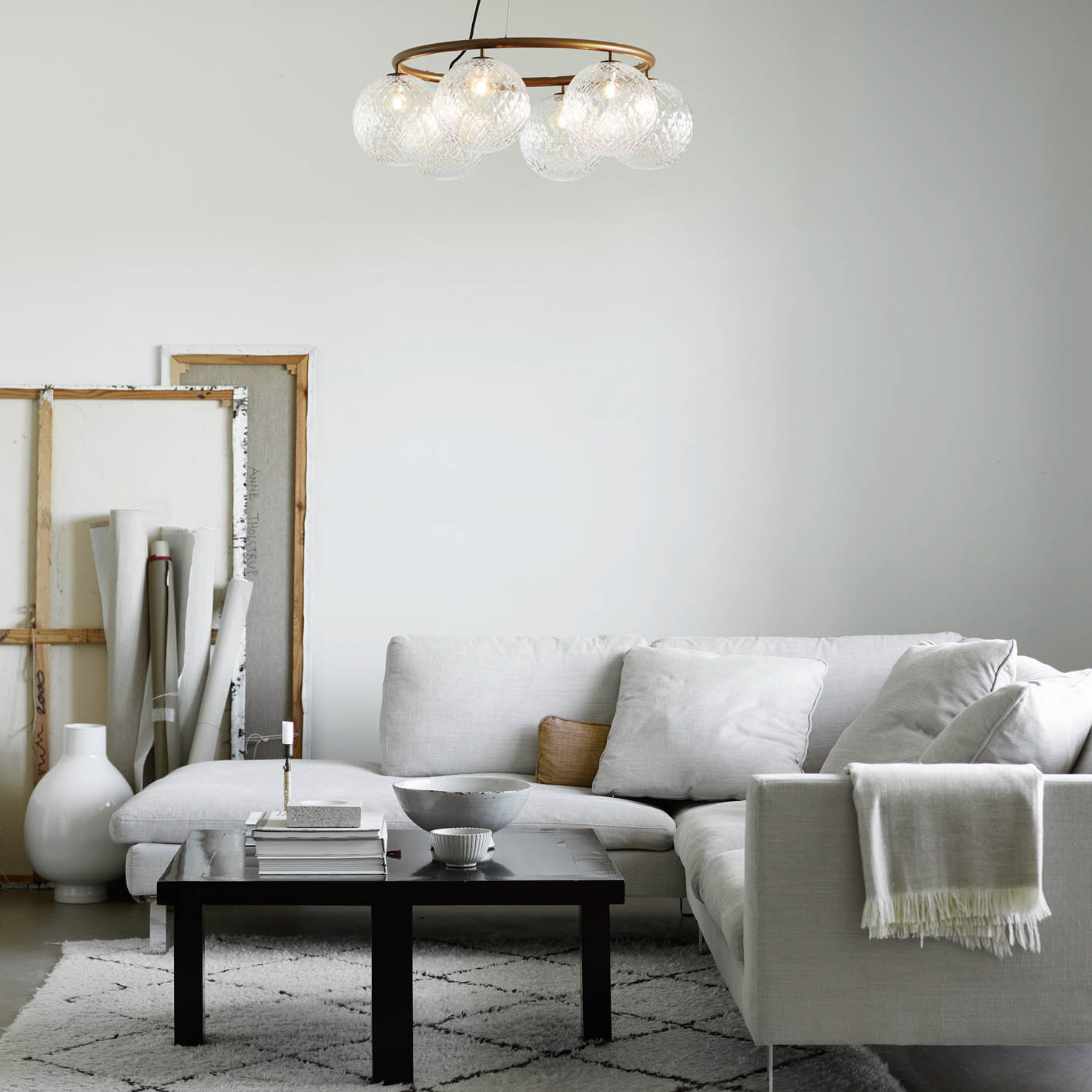
- Soft Geometrics: Look for pendants with rounded edges, subtle curves, or gentle angles. Harsh, angular designs can sometimes feel a bit too severe for a cozy space.
- Examples: Spherical or semi-spherical pendants, elongated cylindrical shapes, or those with gently tapered forms.
- Natural Materials: Wood, ceramic, or woven materials instantly add warmth and texture.
- Wood Finishes: From light birch to darker walnut, wood brings an organic, inviting feel.
- Ceramic Glazes: Matte or subtly textured ceramic can introduce a handcrafted, comforting touch.
- Woven Textures: Rattan, bamboo, or even linen shades diffuse light beautifully and add a sense of natural ease.
- Subtle Metallics: If you prefer metal, opt for brushed finishes like brass, bronze, or matte black. Polished chrome or highly reflective surfaces can sometimes feel a bit cold.
- Brushed Brass: Adds a touch of understated luxury and warmth.
- Matte Black: Offers a modern edge without being harsh, especially when paired with natural elements.
- Aged Bronze: Imparts a vintage, established feel that can contribute to coziness.
Strategic Placement for Maximum Coziness
Where you hang your minimalist pendant lights is just as important as their design. Thoughtful placement can transform the feel of the room.
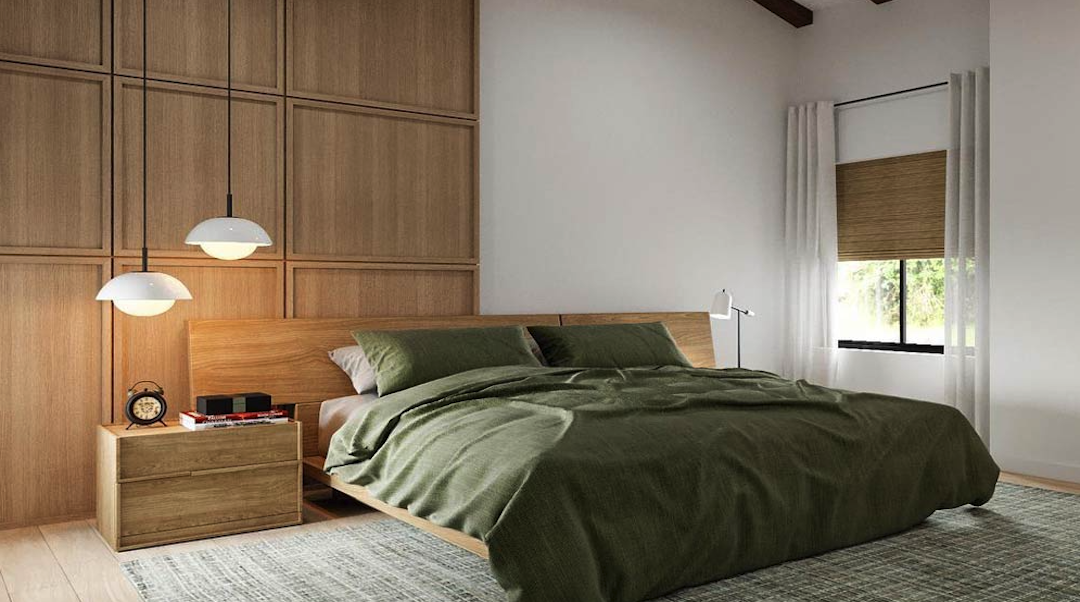
- Bedside Pendants: This is a classic and highly effective use. Instead of traditional table lamps, hanging small pendants on either side of the bed frees up nightstand space and creates a boutique hotel vibe.
- Height Considerations: The bottom of the pendant should typically be around 18-20 inches above your nightstand, putting the light source at roughly shoulder or head height when seated in bed. This prevents glare and ensures functional task lighting for reading.
- Scale: Choose pendants that are appropriately sized for your nightstands and the scale of your bed. Too large, and they might overwhelm; too small, and they lose their purpose.
- Symmetry vs. Asymmetry: Two identical pendants on either side of the bed create balance and calm. For a more eclectic or unique look, you could use two different but complementary pendants, or even a single pendant off-centered for a less traditional arrangement.
- Corner Nook Illumination: If you have a reading chair or a small seating area in your bedroom, a single, well-placed pendant can define that space and provide inviting task lighting.
- Creates a Zone: A pendant dropped over a specific spot visually delineates it as a cozy retreat within the larger room.
- Adjustable Arms: Some minimalist pendants offer adjustable arms or swiveling heads, allowing you to direct light with precision.
- Central Feature (with caution): A smaller, understated minimalist pendant can work as a central overhead light, particularly if your room doesn’t have an abundance of recessed lighting.
- Dimmer Switch is Essential: For a cozy bedroom, any overhead light absolutely needs to be on a dimmer switch. You rarely want full brightness from a central pendant in this space.
- Ambient Glow: Choose a design that offers a soft, diffused glow rather than a harsh, direct downlight. Fabric shades or frosted glass are good choices.
The Importance of Light Temperature and Dimming
This might be the most crucial aspect when using any light fixture for coziness, and minimalist pendants are no exception.
- Warm White Light (2700K-3000K): This is non-negotiable for a cozy bedroom. Light in this temperature range mimics the warm glow of incandescent bulbs, promoting relaxation and comfort. Cooler white light (above 3500K) tends to feel more sterile and energizing, which is the opposite of what you want in a sleeping environment.
- Color Rendering Index (CRI): Look for bulbs with a high CRI (90+). This means they will render colors accurately, making your fabrics and decor look their best under the light.
- Dimmer Switches – Your Best Friend: A minimalist pendant’s potential for coziness is multiplied tenfold when paired with a dimmer switch.
- Mood Control: Dimming allows you to adjust the intensity of the light from bright (for getting dressed) to a soft, ambient glow (for winding down).
- Layered Lighting: Dimmers enable you to create layers of light. You can have a very low setting on your pendant while also having other soft light sources, like accent lamps or backlighting, contributing to the overall ambiance.
- Eye Comfort: As bedtime approaches, softer lighting is easier on the eyes and helps signal to your body that it’s time to relax.
Integrating with Other Bedroom Elements
Minimalist pendant lights are team players. They work best when integrated harmoniously with the rest of your bedroom design.
- Color Palette: Consider how the pendant’s material and light output will interact with your room’s colors. Warm wood tones or brass will complement earthy or muted color schemes. Matte black can provide a subtle contrast in lighter rooms.
- Complementary Hues: If your room is decorated in soft blues or greens, a pendant with a warm brass finish can add a delightful contrast and warmth.
- Monochromatic Schemes: A minimalist pendant in a similar tone to your walls or bedding can blend seamlessly, maintaining a calm, uniform look.
- Textile Choices: The softness of textiles – bedding, rugs, curtains – balances the often cleaner lines of minimalist lighting.
- Layered Fabrics: Think about plush throws, a textured headboard, or a soft rug underfoot. These elements provide the tactile comfort that makes a room cozy.
- Sheer Curtains: These diffuse natural light, adding to the soft, airy feel that complements minimalist design.
- Furniture Lines: If your furniture has strong, straight lines, a pendant with a slightly softer or rounded form can provide a pleasing contrast and prevent the room from feeling too rigid.
- Balanced Design: A sleek bed frame might be perfectly complemented by a ceramic pendant with a more organic shape.
- Art and Decor: Minimalist pendants don’t compete with other decorative elements. They can even highlight a piece of art or a decorative object on a nightstand by providing focused light.
- Less is More: With minimalist lighting, you don’t need a lot of extra decor to make the room feel complete. A few well-chosen pieces are enough.
Practical Considerations Beyond Aesthetics
Beyond the look and feel, there are some practical aspects to consider when selecting and installing minimalist pendant lights.
- Installation: While many pendants are relatively straightforward to install, if they replace a hardwired fixture, or if you’re adding new wiring, it’s wise to consult or hire a qualified electrician.
- Cord Length: Ensure the cord length is appropriate for your ceiling height and desired drop. Many pendants come with adjustable cords.
- Ceiling Boxes: Verify that your ceiling can support the weight of the pendant and that there’s a proper electrical box if you’re not using a plug-in option.
- Maintenance: Simple designs often mean easier cleaning. Dusting or wiping down a smooth surface is generally less cumbersome than cleaning intricate chandeliers.
- Bulb Replacement: Check the type of bulb the pendant requires. LED options are energy-efficient and long-lasting, reducing the frequency of bulb changes.
- Adjustability: Consider if you need a pendant with an adjustable height, a swiveling head, or even a dimmable LED driver built in. These features can significantly enhance their functionality in a bedroom.
- Swivel Function: Useful if you want to direct light precisely for reading in bed or highlighting a nearby object.
Avoiding Potential Pitfalls
While minimalist pendants are highly versatile, there are a few things to watch out for to ensure they enhance, rather than detract from, your cozy vision.
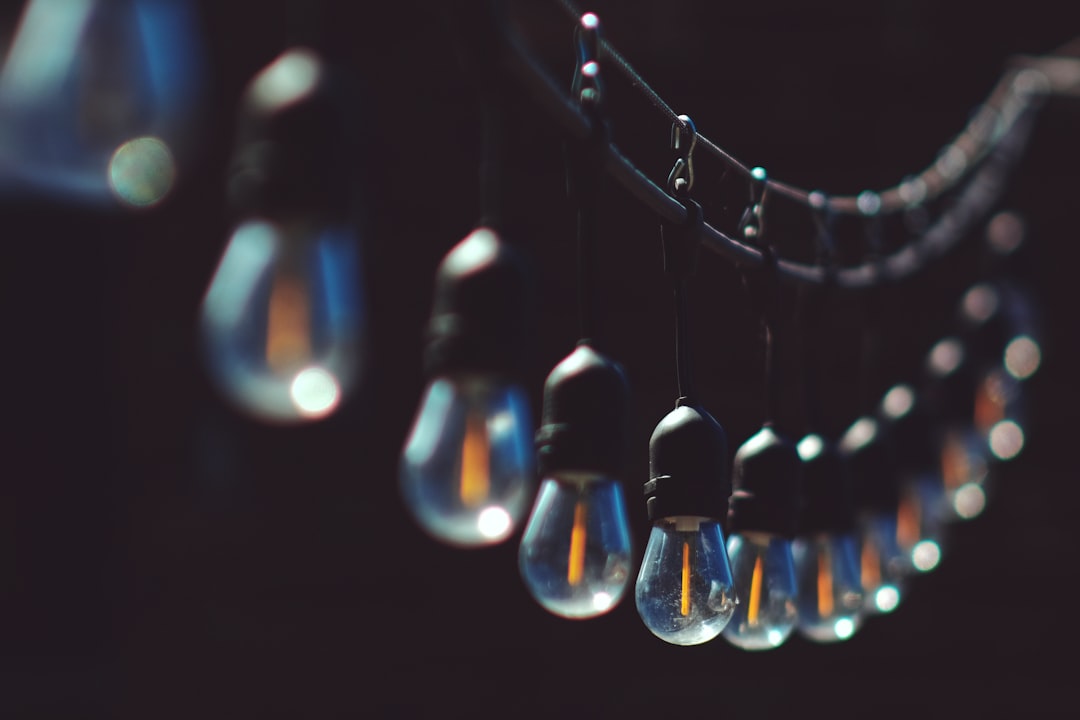
- Too Much Glare: Select pendants with diffusers or opaque shades that direct light downwards or gently diffuse it. Bare bulbs, especially exposed large Edison-style bulbs, can produce uncomfortable glare, making a room feel less relaxing.
- Frosted Glass: Helps to soften the emitted light.
- Opaque Shades: Direct light in a specific direction, eliminating direct glare.
- Over-Scaling: A pendant that’s too large for your space can overwhelm the room, making it feel smaller and less serene. Conversely, one that’s too small might look insignificant and fail to provide adequate lighting.
- Proportion is Key: Consider the size of your bed, nightstands, and the overall volume of the room.
- Neglecting the Dimmer: As mentioned, this is critical. Without a dimmer, even the most beautiful minimalist pendant could feel too bright and harsh for a bedroom environment at night.
- Ignoring Warm Light: Using cool white bulbs will counteract any coziness you’re trying to create, regardless of the pendant’s design.
Conclusion
Minimalist pendant lights are far more than just sleek fixtures; they are powerful tools for crafting a cozy and inviting bedroom. By focusing on particular styles – those with soft forms, natural materials, or subtle metallic finishes – and by paying close attention to placement, light temperature, and dimming capabilities, you can transform your bedroom into a tranquil sanctuary. The key is intentionality: every choice, from the pendant’s finish to the bulb’s warmth, contributes to the overall feeling of calm and comfort. Embrace the simplicity, and you’ll find that less can indeed be much, much cozier.