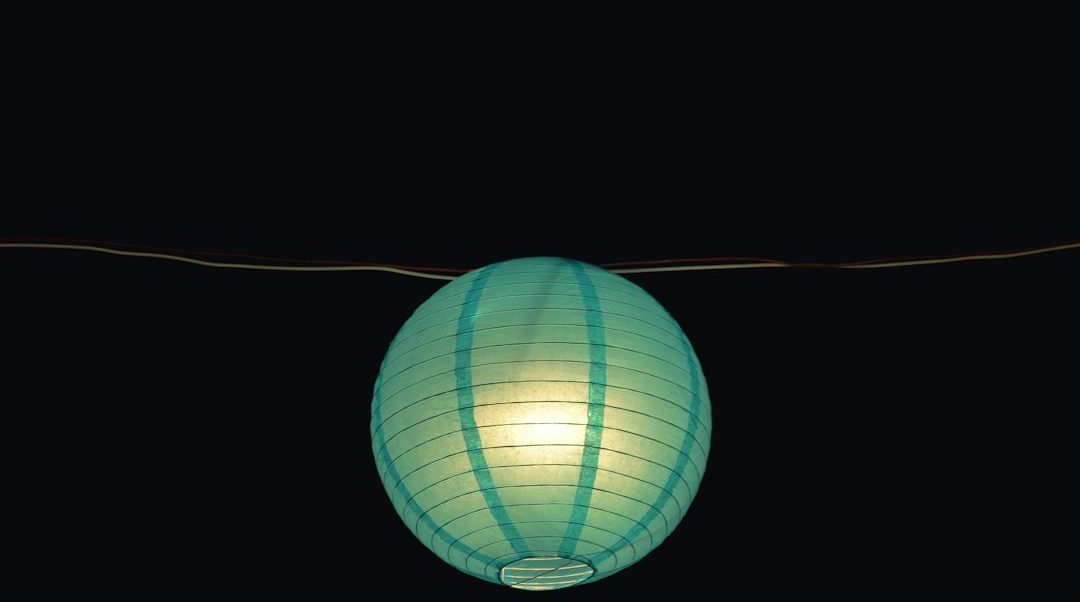
Paper lanterns absolutely can work outdoors in modern spaces, but it’s not a “hang it and forget it” situation. The key is choosing the right materials, understanding their limitations, and integrating them thoughtfully into your design. Think beyond the flimsy party store variety and consider more durable, design-conscious options that can add a fantastic touch of whimsy and sophisticated lighting to your patio, deck, or garden.
Choosing the Right Lanterns for Outdoor Use
When you’re thinking about putting paper lanterns outside, the first thing to understand is that “paper” isn’t always just paper. For outdoor applications, you’ll want to look for specific materials that offer some level of weather resistance.
Material Matters: Beyond Basic Paper
Traditional paper lanterns, like the ones you might use for a birthday party, are typically made from thin paper stretched over a wireframe. These are definitely not suitable for extended outdoor use. Even a light dew can ruin them. Instead, look for lanterns made from:
- Tyvek: This synthetic material looks and feels a bit like paper but is incredibly durable, tear-resistant, and water-resistant. It’s often used for house wrap and protective gear, so it stands up well to the elements. Tyvek lanterns are an excellent choice for a modern aesthetic as they often have a crisp, clean appearance.
- Nylon or Polyester Fabric: These synthetic fabrics are inherently more robust than paper. They can withstand light rain and humidity much better and are often UV-treated to resist fading from the sun. Look for outdoor-grade fabrics specifically.
- Waterproofed Paper: Some manufacturers treat traditional paper with a waterproofing agent, making it more resistant to moisture. While better than untreated paper, these still might not be as durable as Tyvek or synthetic fabrics for long-term exposure. They are generally better for temporary setups or very sheltered areas.
- Plastic or Resin (Paper-Lookalikes): While not truly “paper” lanterns, many outdoor light fixtures are designed to mimic the aesthetic of paper lanterns using durable plastic or resin materials. These are excellent for permanent outdoor installations as they are fully weather-resistant and often designed to house robust lighting components. They give you the look without the worry.
Considering Durability and Lifespan
Even with more durable materials, an “outdoor paper lantern” isn’t usually meant to be a permanent fixture like a metal sconce. Most will have a shorter lifespan outdoors compared to indoor use.
- Tyvek and Nylon/Polyester: These can generally handle a season or two of outdoor exposure in most climates, especially if you bring them in during severe weather or the off-season. They’ll resist light rain and sun but might show signs of wear, fading, or mildew over time, particularly in very humid environments.
- Waterproofed Paper: Best for short-term events or for areas that are fully covered, like under a deep porch or pergola. Expect them to last for a few weeks to a couple of months at best if exposed to the elements.
- Plastic/Resin Mimics: These are designed for long-term outdoor use and can typically withstand years of exposure, just like other outdoor light fixtures.
Always check the manufacturer’s recommendations for outdoor use. Some lanterns are specifically rated for “damp locations” or “wet locations,” which gives you a good indication of their intended durability.
Integrating Lanterns into Modern Outdoor Design
Modern design often emphasizes clean lines, geometric shapes, and a minimalist aesthetic. Paper lanterns, with their inherent simplicity, can fit beautifully into this style when chosen and placed thoughtfully.
Aesthetic Principles for Modern Spaces
- Clean Lines and Geometry: Look for lanterns with strong, simple shapes – perfect spheres, cubes, cylinders, or even slightly elongated ovals. Avoid overly ornate or complex designs, which can clash with a modern aesthetic.
- Monochromatic or Subtle Color Palettes: White, off-white, grey, and black lanterns are timeless and will seamlessly integrate into most modern outdoor spaces. If you introduce color, opt for muted tones or a single, deliberate accent color rather than a rainbow.
- Scale and Proportion: Modern design appreciates proper scale. A single, oversized lantern can make a dramatic statement, while a cluster of smaller ones can create an intimate canopy of light. Consider the size of your space and the impact you want to make.
- Minimalism: Less is often more. Instead of cluttering a space with too many lanterns, strategically place a few to create focal points or define areas.
Placement Strategies for Impact
Where you place your lanterns is just as important as what kind you choose. Think about how they interact with the existing architecture and landscaping.
- Over Dining or Lounge Areas: Hanging lanterns above an outdoor dining table or a lounge seating arrangement creates an instant “room” feeling and provides soft, ambient light for evening gatherings. This is a classic application that works wonderfully in modern settings.
- Along Walkways or Pathways: For a subtle, ethereal effect, hang smaller lanterns at varying heights along a garden path or walkway. This guides the eye and adds a gentle glow. Ensure they are placed high enough to avoid being bumped.
- Under Pergolas or Gazebos: These structures offer natural protection and an ideal framework for hanging lanterns. You can create a ceiling of light, enhancing the architectural features.
- Suspended from Trees: If you have sturdy trees, hanging lanterns from their branches can create a magical, almost enchanted forest vibe. Use tree-friendly hanging methods that don’t damage the bark.
- Floating in Water Features (Specific Types): Some highly durable, sealed plastic lantern mimics are designed to float on ponds or pools, adding a stunning reflective element. Make sure they are specifically rated for water immersion and completely sealed if you consider this.
- Integrated into Vertical Gardens or Walls: For a really contemporary look, consider incorporating smaller, weather-resistant lanterns into a vertical garden structure or against a clean outdoor wall, creating a glowing art installation.
Lighting Options and Powering Your Lanterns
The “paper lantern” aesthetic is often about soft, diffused light. Choosing the right light source and power method is crucial for both functionality and maintaining that desired ambiance.
Illumination Choices for Ambiance and Safety
- LED Bulbs: These are generally the best choice for outdoor lanterns. They are energy-efficient, produce very little heat (reducing fire risk, especially with fabric/paper materials), and come in a wide range of color temperatures.
- Warm White (2700K-3000K): Creates a cozy, inviting glow, similar to traditional incandescent bulbs. This is often preferred for social spaces.
- Cool White (4000K+): Provides a brighter, more neutral light, sometimes perceived as more modern or functional. Use sparingly for ambiance, but it can work for accent lighting.
- RGB (Color-Changing) LEDs: These offer versatility, allowing you to change the mood with different colors. Modern designs can benefit from a single, striking color accent.
- Solar-Powered Lights: Many outdoor paper lantern mimics come with integrated solar panels. These are incredibly convenient as they require no wiring and automatically turn on at dusk.
- Pros: Easy installation, no electricity required, environmentally friendly.
- Cons: Light intensity can be lower, duration of light depends on sun exposure, battery life may diminish over time. Ensure the solar panel gets direct sunlight for optimal charging.
- Battery-Powered Lights: For temporary setups or areas without sun exposure, battery-operated LED modules can be hung inside lanterns.
- Pros: No wires, can be placed anywhere.
- Cons: Requires battery changes, not ideal for long-term use. Look for options with timers or remote controls for convenience.
- Low-Voltage Wired Systems: For a more permanent and robust lighting solution, consider a low-voltage outdoor lighting system. This involves running low-voltage wiring to individual light fixtures, which can include weather-resistant lanterns.
- Pros: Reliable, consistent light, can be controlled with switches or dimmers.
- Cons: Requires more involved installation, often needs a transformer.
Wiring and Powering Considerations
Safety is paramount, especially when electricity and the outdoors mix.
- Outdoor-Rated Components: If you’re using wired lanterns or adding your own light sources, ensure all components – bulbs, sockets, wires, and plugs – are rated for outdoor use (e.g., UL listed for wet locations).
- Ground Fault Circuit Interrupters (GFCIs): Always plug outdoor lighting into GFCI-protected outlets. GFCIs prevent electric shock by immediately cutting power if a ground fault is detected.
- Concealing Wires: For a clean, modern look, make an effort to conceal any visible wires. This might involve burying low-voltage wires, running them along architectural features, or using wire clips that blend in.
- Transformers (for low-voltage systems): If using a low-voltage system, the transformer needs to be properly rated for outdoor use and placed in an accessible but protected location.
- Professional Installation: For any complex wired outdoor lighting system, it’s always wise to consult or hire a qualified electrician to ensure safety and compliance with local codes.
Design Inspiration and Creative Applications
Now that we’ve covered the practicalities, let’s dive into some creative ways to use contemporary paper lanterns to elevate your modern outdoor space.
Monochromatic Elegance
- All-White Serenity: A cluster of varying sizes of pure white Tyvek or nylon lanterns, hung at different heights above a minimalist concrete patio or a dark wood deck, creates a cloud-like, serene atmosphere. Pair with white outdoor furniture and subtle green plantings for a truly contemporary oasis. The subtle glow from within highlights their pure forms.
- Greyscale Sophistication: Combine white, light grey, and charcoal lanterns in geometric shapes (spheres, cubes) for a sophisticated, layered look. This palette complements modern architectural materials like steel, concrete, and dark wood. Use different textures within the greyscale – perhaps a smooth Tyvek next to a slightly textured nylon – to add depth without introducing color.
- Black Statement: For a bold, dramatic effect, use oversized black or very dark grey lanterns. These create strong visual anchors, especially against lighter backdrops or when paired with striking green foliage. The light emitted from within will create a fascinating contrast against the dark exterior.
Geometric Play and Architectural Harmony
- Linear Arrangement: Hang identical spherical or cylindrical lanterns in a perfectly straight line above a long outdoor dining table or along a linear walkway. This emphasizes the clean lines of modern design and creates a strong visual axis.
- Clustered Composition: Instead of a scattered approach, intentionally group lanterns of different sizes and perhaps slightly different shapes (but within the same material and color family) to form a cohesive “sculpture” of light. This works well over an outdoor lounge area, becoming a focal point.
- Mimicking Architectural Elements: If your home has strong architectural features, choose lanterns that echo those shapes. For instance, if you have strong horizontal rooflines, consider elongated cylindrical or rectangular lanterns. If your modern home uses a lot of circular motifs, spheres are a natural fit.
- Framing Views: Strategically place lanterns to frame a beautiful view or an architectural feature. For example, two large lanterns on either side of an opening onto a garden, or smaller ones drawing the eye towards a modern art piece.
Pairing with Modern Outdoor Furnishings
- Sleek and Minimalist Furniture: The simplicity of contemporary paper lanterns complements modern outdoor furniture made from materials like powder-coated aluminum, teak, concrete, or woven synthetics. Ensure the style of the lantern doesn’t compete with the furniture but enhances it.
- Textural Contrast: If your outdoor furniture is very hard-edged (e.g., metal and concrete), the soft, diffused light and gentle curves of a spherical lantern can provide a lovely textural and visual contrast, softening the space.
- Defined Zones: Use lanterns to help define different “rooms” within your outdoor space. A large cluster over the dining table, a single oversized lantern above a fire pit area, and smaller ones along a path leading to a lounge area.
Maintenance and Longevity Tips
Even the most durable outdoor “paper” lanterns will require some care to look their best and last as long as possible. A little proactive maintenance goes a long way.
Regular Cleaning and Inspection
- Dusting: Over time, lanterns will accumulate dust, pollen, and cobwebs. A soft brush, a dry cloth, or even a leaf blower (on a very low setting) can help remove surface debris regularly.
- Wiping Down: For materials like Tyvek or nylon, a damp cloth with a mild soap solution can be used to wipe away dirt or mildew spots. Always test in an inconspicuous area first. Avoid harsh chemicals, which can damage the material or finish.
- Inspect for Damage: Periodically check the material for tears, fading, or signs of wear. Examine the internal light components and wiring for any damage, especially after strong winds or storms. Look for rust on metal frames.
- Pest Control: Spiders and insects love to build nests inside or on lanterns. Regular checks and cleaning can keep them at bay.
Protecting from the Elements
- Bring Indoors During Severe Weather: If heavy storms, high winds, or torrential rain are forecast, it’s always best to temporarily bring in lanterns that aren’t fully sealed and rated for extreme weather. This is especially true for anything made of fabric or treated paper.
- Seasonal Storage: For non-permanent installations, store your lanterns indoors during the off-season (winter months, or periods of prolonged extreme weather).
- Clean Before Storing: Ensure lanterns are clean and completely dry before packing them away to prevent mildew or stains.
- Proper Storage: Store them in a dry, dark place in an airtight container or bag to protect them from dust, moisture, and pests. If they collapse, ensure they are folded or collapsed gently to avoid creasing or damage to the frame.
- Strategic Placement: When initially installing, consider placing lanterns under eaves, pergolas, or awnings to offer some natural protection from direct rain and harsh sun exposure, which can significantly extend their life.
- UV Protection: While some outdoor fabrics are UV-treated, prolonged direct sunlight will eventually cause fading. Rotate lanterns if possible, or accept that fading is a natural part of their outdoor life.
By being mindful of these practical considerations, you can confidently incorporate contemporary paper lantern ideas into your modern outdoor living space, creating an inviting and stylish atmosphere that you and your guests will love. They truly offer a unique blend of casual elegance and sophisticated illumination.