The human eye, while remarkable, has limitations, particularly when engaging with intricate tasks. Small components, fine print, and detailed craftsmanship often necessitate supplementary tools to ensure accuracy and comfort. An adjustable magnifying desk lamp integrates two essential functions: localized illumination and optical magnification, offering a focused solution for various professional and avocational pursuits. This article explores the design, functionality, and practical applications of these devices, providing a comprehensive guide for their selection and utilization.
Understanding the Components
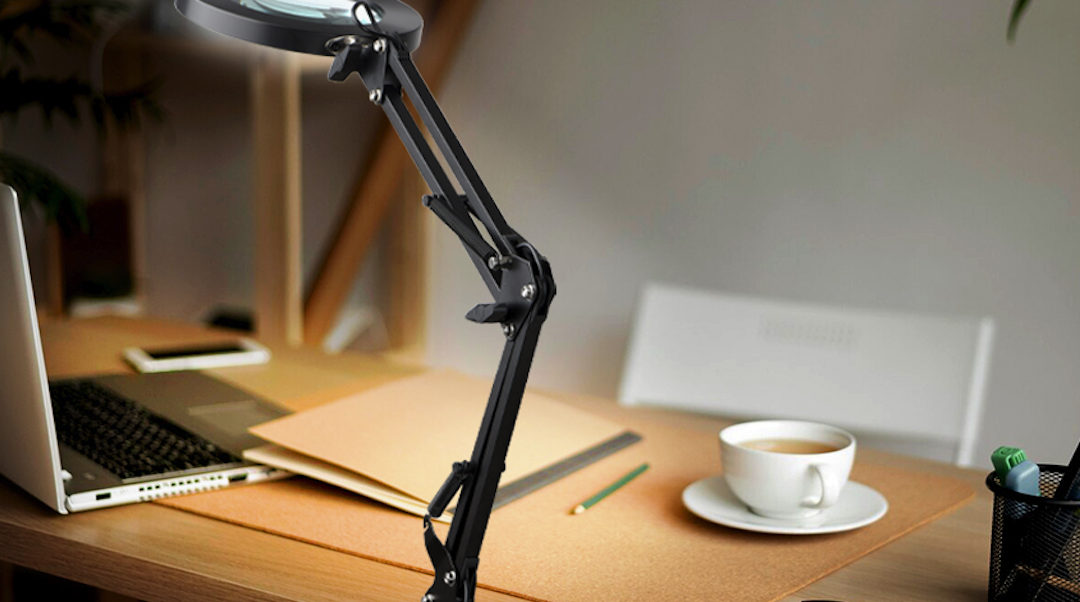
An adjustable magnifying desk lamp Lamolighting is a composite device, combining a light source, a magnifying lens, and a mechanical arm for positioning. Each component plays a crucial role in the lamp’s overall utility and performance.
The Magnifying Lens
The central component of the lamp is its magnifying lens. These lenses are typically biconvex or plano-convex, constructed from optical glass or acrylic polymers. The magnification power, often expressed as diopters (D) or sometimes as “X” (e.g., 2X, 5X), quantifies how much larger an object appears when viewed through the lens.
- Diopter Measurement: One diopter represents a focal length of one meter. A 3-diopter lens, for example, has a focal length of 1/3 meter and provides a magnification approximately equivalent to 1.75X. A common misconception equates diopters directly to X magnification; however, the relationship is not linear.
- Magnification X: This metric directly indicates how many times the object’s apparent size is increased. A 5X lens makes an object appear five times larger than it would to the naked eye.
- Lens Diameter: The physical size of the lens impacts the field of view. A larger diameter lens allows for a broader area to be observed simultaneously. Lenses typically range from 3 to 7 inches in diameter.
- Optical Clarity: The quality of the lens material and manufacturing process directly influences optical clarity. Higher-quality lenses minimize chromatic aberration (color fringing) and spherical aberration (distortion at the edges).
The Illumination System
Integral to effective magnification is the provision of adequate light. The light source illuminates the magnified object, enhancing contrast and revealing details that might otherwise be obscured by shadows or insufficient ambient light.
- LED Technology: Light-Emitting Diodes (LEDs) are the predominant light source in modern magnifying lamps due to their energy efficiency, longevity, and cool operation. LEDs produce minimal heat, preventing discomfort during prolonged use and protecting delicate workpieces.
- Color Temperature: The color temperature of the light, measured in Kelvin (K), affects the perceived “whiteness” of the light. Cooler temperatures (e.g., 5000K-6500K) resemble natural daylight, often preferred for color-sensitive tasks, while warmer temperatures (e.g., 2700K-3500K) provide a softer, more inviting glow.
- Dimmability: Many lamps incorporate dimming functions, allowing the user to adjust the light intensity to suit specific tasks and ambient conditions, reducing eye strain.
- Ring vs. Array Lighting: Some lamps feature a ring of LEDs surrounding the lens, providing even, shadow-free illumination. Others may use an array of LEDs positioned strategically to achieve optimal lighting.
The Articulating Arm and Base
The mechanical assembly, comprising the articulating arm and the base or clamp, determines the lamp’s positional flexibility and stability.
- Spring-Loaded Arms: A common design incorporates spring-loaded arms, similar to those found on drafting lamps. These arms allow for smooth, precise adjustment of the lamp head’s height and angle, maintaining its position once set.
- Gooseneck Arms: Gooseneck arms offer highly flexible positioning, often preferred in situations requiring frequent and fine adjustments. However, they may offer less stability for heavier lamp heads compared to spring-loaded arms.
- Clamp Bases: Clamp bases attach directly to a desk or workbench edge, conserving desk space. They often feature robust designs to ensure stability.
- Weighted Bases: Weighted bases provide freestanding support, offering portability and eliminating the need for a suitable clamping surface. These are generally bulkier but offer greater versatility in placement.
Functional Principles and Benefits
The synergy of magnification and illumination offers a range of practical advantages across various domains.
Reducing Eye Strain and Fatigue
Constant focusing on small objects or fine print can lead to ocular fatigue, headaches, and blurred vision. The magnifying lens effectively enlarges the object, reducing the strain on the ciliary muscles of the eye. The integrated light source further aids by eliminating shadows and improving contrast, making details more discernible without significant effort. For those with presbyopia or other age-related vision changes, a magnifying lamp can serve as a valuable adaptive tool, much like a pair of reading glasses, but with the added benefit of adjustable illumination and hands-free operation.
Enhancing Precision and Accuracy
In tasks requiring meticulous detail, such as soldering electronics, miniature painting, or watch repair, even minute imperfections can compromise the outcome. The magnified view acts as a digital zoom for the human eye, bringing hidden intricacies into focus. This allows for more precise movements, accurate component placement, and the detection of flaws that would otherwise remain unnoticed. It’s akin to navigating a complex map with a satellite view, revealing every contour and landmark.
Improving Efficiency and Productivity
By minimizing the need to strain or repeatedly reposition objects for closer inspection, a magnifying lamp can streamline workflow. The hands-free operation allows both hands to remain engaged with the task, eliminating interruptions. This can lead to increased productivity, as tasks can be completed more quickly and with fewer errors. Imagine trying to thread a needle in a dim room; with a magnifying lamp, the seemingly insurmountable becomes a straightforward action.
Applications Across Disciplines
The versatility of the adjustable magnifying desk lamp renders it an invaluable instrument in a diverse array of professional and recreational fields.
Electronics and Soldering
For electronics technicians, hobbyists, and circuit board manufacturers, a magnifying lamp is an indispensable tool. It facilitates the precise placement of surface-mount components, inspection of solder joints for bridges or cold connections, and fine-tuning of intricate wiring. The magnified view helps prevent short circuits and ensures reliable electrical connections.
Crafts and Hobbies
The crafting world benefits significantly from augmented vision. From intricate needlework, embroidery, and cross-stitch to jewelry making, model building, and scale artistry, the magnifying lamp allows for detailed execution. Crafters can achieve finer details, correct minor errors, and appreciate the nuances of their work with greater clarity. It’s like having microscopic eyes for the most delicate brushstrokes or the tiniest bead.
Reading and Writing
Individuals with visual impairments or those who frequently work with small text, such as legal documents, technical manuals, or antique books, find magnifying lamps exceptionally useful. The enlarged text reduces eye strain and provides a comfortable reading experience, serving as a steadfast companion for prolonged periods of textual engagement.
Esthetics and Dermatology
In the fields of esthetics and dermatology, magnifying lamps are standard equipment. They enable skin care professionals to meticulously analyze skin conditions, identify imperfections, and perform procedures with enhanced precision. The clear, magnified view aids in extractions, detailed examinations, and the application of treatments.
Quality Control and Inspection
In manufacturing and quality assurance, magnifying lamps are employed to inspect small parts, detect defects, and ensure adherence to specifications. From examining watch movements to scrutinizing delicate mechanical components, these lamps serve as a critical checkpoint in maintaining product standards.
Considerations for Selection
Choosing the appropriate adjustable magnifying desk lamp involves evaluating several factors to ensure optimal suitability for your specific needs.
Magnification Power
This is perhaps the most critical consideration. Reflect on the type of tasks you will be performing.
- Lower Magnification (2X-3X / 3-5 Diopter): Suitable for general reading, larger craft projects, and tasks where a modest increase in object size is beneficial.
- Medium Magnification (4X-6X / 8-20 Diopter): Ideal for electronics, detailed crafts, fine print, and intricate assembly work. This range offers a good balance between magnification and field of view.
- Higher Magnification (8X and above / 24+ Diopter): Reserved for highly specialized tasks requiring extreme detail, such as micro-electronics repair or stamp collecting. Note that as magnification increases, the field of view typically narrows, and the working distance (the space between the lens and the object) decreases.
Light Source and Features
The quality and adjustability of the illumination are paramount.
- Brightness (Lumens): Consider the overall brightness of the lamp. Higher lumen counts provide more intense illumination, which can be particularly useful in dimly lit environments.
- Dimmability: A dimmable function offers versatility, allowing you to tailor the light output to different tasks and ambient light levels, reducing glare.
- Color Temperature: If color accuracy is important (e.g., painting, textile work), opt for lamps with a higher Color Rendering Index (CRI) and a daylight-like color temperature (5000K-6500K).
Mounting and Stability
The method of securing the lamp impacts its stability and placement.
- Clamp vs. Weighted Base: A clamp base is space-saving and secure for fixed workstations, while a weighted base offers mobility for dynamic environments. Assess your workspace and decide which mounting style is more appropriate.
- Arm Length and Articulation: Ensure the arm provides sufficient reach and flexibility to position the lamp head exactly where needed, without obstruction or instability. A longer arm is beneficial for larger workspaces.
Lens Material and Durability
The material of the lens affects its optical properties and resistance to damage.
- Glass Lenses: Generally offer superior optical clarity and scratch resistance, but are heavier and more prone to breakage if dropped.
- Acrylic Lenses: Lighter and more shatter-resistant, but may be more susceptible to scratching and can sometimes exhibit slightly lower optical quality compared to high-grade glass.
Energy Efficiency and Maintenance
Modern magnifying lamps typically incorporate LED technology, which ensures low energy consumption and a long operational lifespan for the light source. Factor in the long-term cost benefits of LEDs over traditional incandescent or fluorescent bulbs. Maintenance is generally minimal, primarily involving occasional cleaning of the lens.
Optimizing Your Workspace with a Magnifying Lamp
Integrating an adjustable magnifying desk lamp into your workspace transcends merely adding another piece of equipment; it’s about refining your interaction with the tasks before you.
Proper Positioning and Ergonomics
The effective use of a magnifying lamp relies heavily on correct positioning. The lamp head should be adjustable to allow the light to fall evenly upon your work, minimizing shadows. The magnifying lens should be positioned at a comfortable working distance from your eyes, and the object being viewed should be centrally located within the lens’s field of view. Maintaining good posture is crucial; avoid hunching over the work, as this can lead to neck and back strain. The lamp should adapt to your ergonomic needs, not the other way around.
Avoiding Glare and Reflections
Glare from the light source or reflections off the magnified object can diminish the lamp’s effectiveness and cause eye discomfort. Experiment with the lamp’s angle and dimming settings to mitigate these issues. If external light sources are contributing to reflections, consider repositioning them or using blinds/curtains. Some lamps incorporate anti-glare coatings on their lenses.
Regular Cleaning and Maintenance
To preserve optical clarity and illumination quality, regular cleaning of the lens and light source is imperative. Use a soft, lint-free cloth and a specialized lens cleaning solution (or a dilute solution of mild soap and water) to gently wipe the lens. Avoid abrasive materials or harsh chemicals, which can scratch or damage the lens coating.
Combining with Other Tools
A magnifying lamp is often one component of a larger toolkit. For instance, in electronics work, it might be used in conjunction with a soldering iron, a fume extractor, and miniature tools. In crafting, it complements specialized cutting tools, adhesives, and materials. View the magnifying lamp as an amplifier for your other instruments, enhancing their precision and your control.
An adjustable magnifying desk lamp serves as a bridge, connecting the demands of intricate tasks with the capabilities of human vision. By carefully selecting a lamp that aligns with your specific requirements and integrating it thoughtfully into your workspace, you equip yourself with a powerful instrument that not only alleviates strain but also elevates the quality and efficiency of your work. It transforms the dauntingly small into the comfortably visible, making the previously arduous, achievable.